Новый HWInfo показывает температуру GDDR6X памяти
У меня GIGABYTE GeForce RTX 3080 GAMING OC 10G. Открыта форточка, видеокарта в закрытом корпусе. Если закрыть форточку, начинается троттлинг и хэшрейт с 95 MH/s падает до 80 – 85 MH/s. Если честно, видеокарта в плане майнинга совсем печаль.
GPU Boost: -250 MHz (1550 MHz)
Memote Clock: 2249 MHz (21250 MHz)
Power Limit: 65% (240W)
Temp: 44 °C/104 °C
FAN:
Gpu junc temp что это
I have i9, 9900K, 32GB, RTX 3090 Asus Strix. While gaming at 4K ultra settings, I noticed from GPU-Z, that my gpu memory junction temparure above 85 deg from games like Control, Ghost Recon Breakpoint, The Division 2. It even touches 90deg for Red Dead Redemption 2 at ultra settings. Whereas as games like Call of duty Cold War (74 deg), Warzone (72 deg) and Battlefield V (80 deg). In all above mentioned games, the gpu core temprature ranges between 65 to 71 deg.
My question: Do you think, the gpu need Thermal Pad change?
How about applying only aluminum heatsink on the back only?
Thanks
As I said, there is zero need to worry, I’m running 2 3090 strix right now with a 9900k (mining on them not in sli) and as I said, your temps are well within accebtable limits, hell I can even game on it while mining and temps stay in the safe range.
I wouldn’t go ruining the back plate myself when any of the fixes I mentioned will be just as effective.
Just because you think it’s too hot doesn’t mean it actually is.
Under approx 100*C for the Memory Junction Temp is fine.
At least you don’t have a 3090 FE card which had issues where it was sometimes hitting 110*C under full loads or when mining.
Why not just place a case fan or two under your GPU at the bottom of your case? I have this for when my GPU gets hot, they then kick in. Other than that they stay idle. A lot of peoplewill slap an AIO on their CPU, and leave a stock fan in their case and then wonder why their GPU overheats even when the fans are on full chat. Your case needs good circulation too.
I have an MSI 3090 Gaming X Trio and don’t see temperatures anywhere near that in any game or when rendering in Blender either.
You may have already done this of course.
Why not just place a case fan or two under your GPU at the bottom of your case? I have this for when my GPU gets hot, they then kick in. Other than that they stay idle. A lot of peoplewill slap an AIO on their CPU, and leave a stock fan in their case and then wonder why their GPU overheats even when the fans are on full chat. Your case needs good circulation too.
I have an MSI 3090 Gaming X Trio and don’t see temperatures anywhere near that in any game or when rendering in Blender either.
You may have already done this of course.
You are totally fine, throttling can potentially oc our when it goes beyond 110c and the chips actual safe operating temp will be a good 20-30c above that.
There is no need to woot about it, changing out the thermal pads can help just make sure you go for something good.
If you are really worried about it (no reason to be) you could place a fan blowing directly over the back plate.
Depending on your case (like an 011 with certain vertical mount brackets) if you have the gpu vertically mounted, potentially puling it 1 slot further out from the gpu so air can more easily move around it can drop temps a couple of degrees.
Thank all for your feedback.
I think I will go for the following:
Placing and distributing aluminum heatsink chips on the back plate and put a small fan on the heatsink.
In this case, I have another question:
If I have to keep a fan on the heatsink chips, which direction air blow should be? Away from the heatsink or the reverse.
Thank you all once again
Автор темы посчитал это сообщение ответом на свой вопрос.
As I said, there is zero need to worry, I’m running 2 3090 strix right now with a 9900k (mining on them not in sli) and as I said, your temps are well within accebtable limits, hell I can even game on it while mining and temps stay in the safe range.
I wouldn’t go ruining the back plate myself when any of the fixes I mentioned will be just as effective.
Just because you think it’s too hot doesn’t mean it actually is.
As I said, there is zero need to worry, I’m running 2 3090 strix right now with a 9900k (mining on them not in sli) and as I said, your temps are well within accebtable limits, hell I can even game on it while mining and temps stay in the safe range.
I wouldn’t go ruining the back plate myself when any of the fixes I mentioned will be just as effective.
Just because you think it’s too hot doesn’t mean it actually is.
Why not just place a case fan or two under your GPU at the bottom of your case? I have this for when my GPU gets hot, they then kick in. Other than that they stay idle. A lot of peoplewill slap an AIO on their CPU, and leave a stock fan in their case and then wonder why their GPU overheats even when the fans are on full chat. Your case needs good circulation too.
I have an MSI 3090 Gaming X Trio and don’t see temperatures anywhere near that in any game or when rendering in Blender either.
GPU Junction Temperature: Know How to Check and Control it
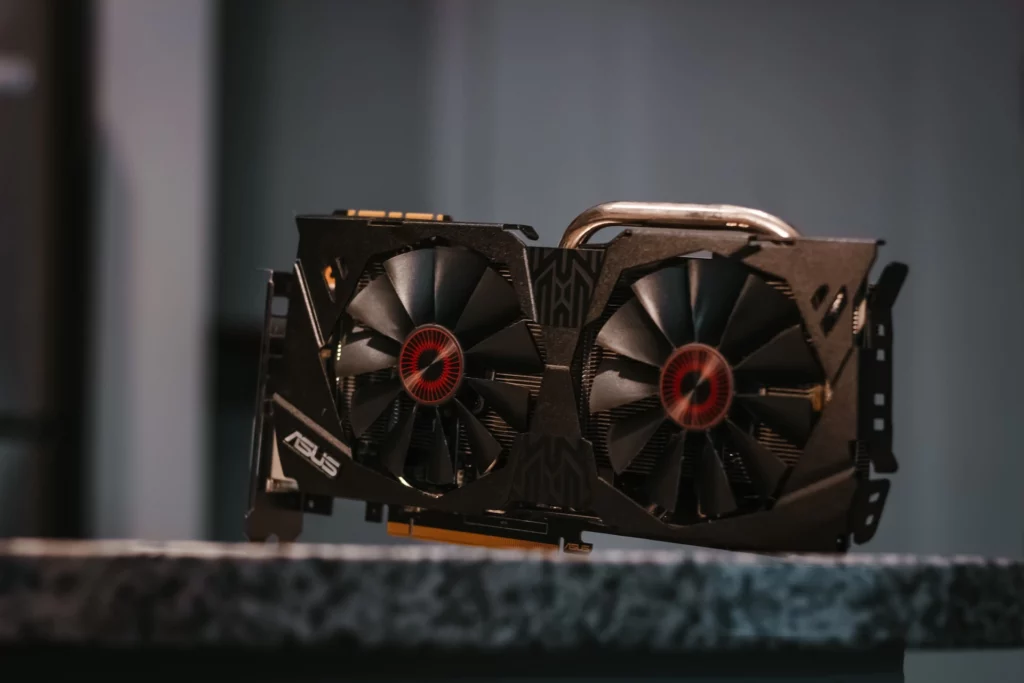
Why does GPU Junction temperature matter, and how is it different from GPU temperature? Well, the GPU junction is the hottest point on the GPU, and GPU temperature is relevant to the complete unit. But why is GPU junction temp important? An ideal GPU temperature will allow you to take full advantage of the GPU while using it and increase its longevity.
A PC may have two types of GPUs: Internal/Integrated GPU and External GPU. Both function in quite different ways. Although the core function of a GPU is to support and run the graphics, an external GPU which is also popularly known as a Graphics Card does a lot more than an integrated GPU. The external GPU takes everything from playing a video to running high-end games. Irrespective of the type of GPU, it should always keep track of its temperature and keep it in control.
Extreme temperatures for GPUs may potentially damage the entire GPU over a period of time. Therefore, it becomes crucial to identify the safe GPU junction temperature and maintain it during 100% load. In this article, I will talk about the ideal GPU junction temperature, the ways to monitor it, and measures to keep it in control.
In This Article
GPU Junction Temperature | What You Did Not Know
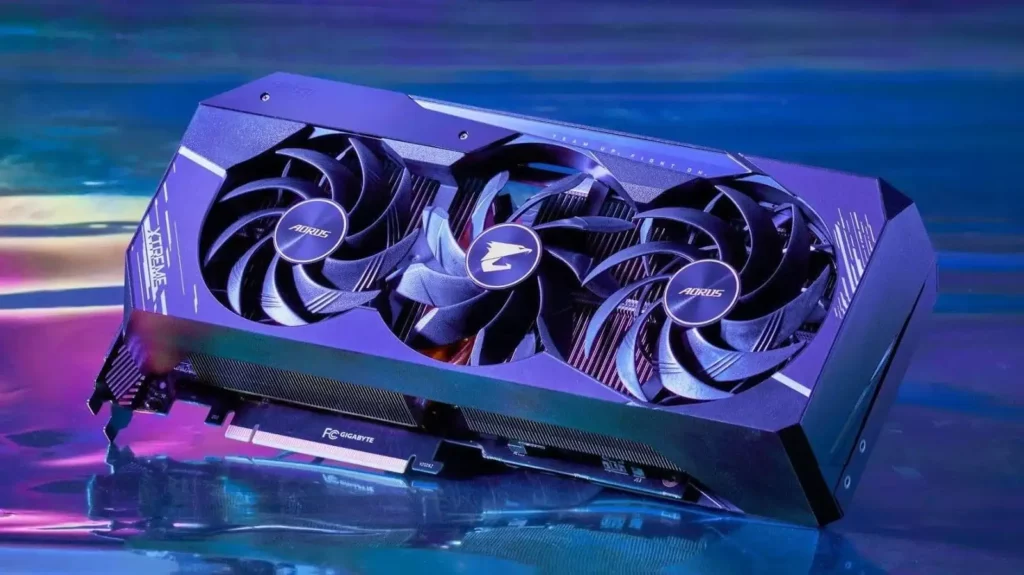
Before taking any measures to correct your GPU temperature, you should be aware of the ideal GPU junction temperature. Generally speaking, 70°C to 80°C should be the temperature of your GPU. The GPU temperature should not exceed 85°C in any case. Otherwise, it may damage the entire GPU if not specified by the manufacturer.
GPU manufacturers also specify a limit within which you can optimally run performance-intensive tasks. NVidia and AMD are the two most popular GPU manufacturers in the market.
Technically speaking, NVIDIA Graphic cards/GPU can sustain a temperature of 95°C to 100°C. On the other hand, AMD GPUs can sustain GPU temperature anywhere between 90° C to 100° C.
What Should be the Average Temperature of the GPU?
Did you ever wonder about what is a bad temperature for a GPU? If yes, then always remember that a GPU gives the best performance when it runs at an optimal temperature. And the whole purpose of installing an external GPU is to get an edge in terms of performance. Therefore, performance is the key here.
Your PC’s GPU cannot stay at one temperature in all conditions. Here is the list of average temperatures of every GPU in different situations.
When the GPU is idle, its temperature should range between 30° C to 45° C.
When the GPU is on load, its temperature should range between 60° C to 90° C.
When the GPU renders, its temperature should range between 70° C to 90° C.
When the GPU is utilized for gaming, its temperature will be higher than 60° C, but the upper limit should be under 90° C.
How to Check GPU Temperature on your Windows PC?
Now that you know what GPU junction temperature is all about and what should be its ideal range, then you might want to know different ways to check your GPU Junction temperature. Here are the best ways to know your GPU Junction temperature.
Method 1: By using Task Manager on Windows 10 and above
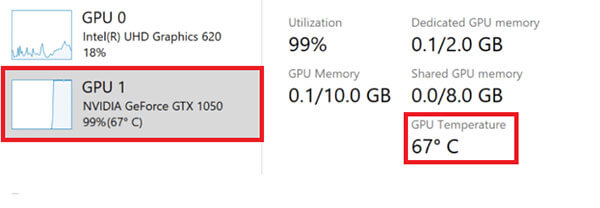
This is the simplest way to know your GPU temperature.
>> All you have to do is press the Ctrl + Alt + Delete buttons simultaneously and wait for a new window to appear.
>> Select Task Manager on the new window opened and click on your GPU that will appear on the left side.
>> GPU temperature will be displayed right below the GPU memory.
What’s not cool about this method?
Through this method, you only get access to the GPU temperature. However, you will be unable to track it in real time or tweak it. For those options, I’m mentioning other methods that will allow you to keep real-time track of your GPU temperature and customize it.
Method 2: By using NVIDIA’s dedicated Desktop Application
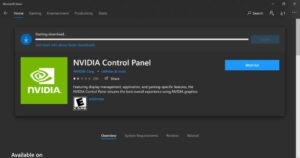
Using NVIDIA’s dedicated application, you can access the details of your GPU temperature in real-time, clock / overclock it, set the desired fan speed, set the maximum allowed temperature for your GPU, and much more.
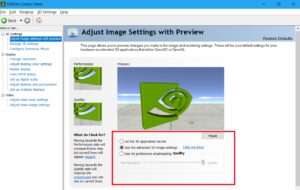
You can download the app from the Microsoft Store by searching “NVIDIA Control Panel” and starting using it.
What’s not cool about this method?
The UI is not that great, and you will need some time to get used to its interface. Otherwise, it works just fine.
Method 3: By using AMD’s System Monitor Desktop Application
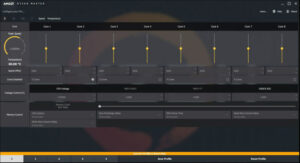
AMD’s System Monitor is a highly productive desktop that allows you to monitor in real time and controls GPU and CPU. All you need to do is to visit Microsoft Store and type in “System Monitor by AMD,” and you can download the app.
What’s not cool about this method?
This app takes up a lot of space on your RAM and Storage, which may somewhat slow down your PC.
How to Keep your GPU Temperature Under Control?
Do you know about safe GPU temps? Normal GPU temperatures might range up to 90° C but there are a couple of solutions to prevent your GPU from overheating, which also increases GPU Thermal Temperature. You can easily take charge of your GPU’s temperature either by using software or installing a high-capacity GPU itself. Surrounding components also play a vital role in controlling the GPU’s temperature.
Here is The List of Ways to Keep Your GPU Junction Temperature Low
1. By monitoring your usage and lowering the performance-intensive tasks for a moment.
2. By setting a temperature limit so that your GPU does not exceed that.
3. By installing a high-end Processor, high-capacity RAM, and PCIe M.2 or higher SSD, which makes the job for the GPU easy.
4. By consistently cleaning GPUs from dust or other particles.
Wrapping Up
This brings us to the end of the article GPU Junction temperature. I hope you were able to know what GPU junction temperature means. How to check it? How to control it, and why should you control it? For more tech-related content, keep scrolling through Path of EX.
Frequently Asked Questions
Q. Is NVIDIA better than AMD?
A. AMD has a huge lineup in terms of its GPUs. The choice is subjective. If you choose performance overheating or noise, then AMD is the winner. In case you are looking for a balanced GPU, then you can go for NVIDIA.
Q. What’s the ideal GPU temperature?/ What is a bad GPU temp?
A. It should not exceed 90° in any given case.
Q. What is a bad GPU temp?
A. It should not exceed 90° in any given case.
Q. Are GPU Monitoring Temperatures paid?
A. The monitoring software provided by GPU manufacturers is absolutely free. Most third-party software is free unless you need software to adjust your settings automatically.
Gpu junc temp что это
Reddit and its partners use cookies and similar technologies to provide you with a better experience.
By accepting all cookies, you agree to our use of cookies to deliver and maintain our services and site, improve the quality of Reddit, personalize Reddit content and advertising, and measure the effectiveness of advertising.
By rejecting non-essential cookies, Reddit may still use certain cookies to ensure the proper functionality of our platform.
For more information, please see our Cookie Notice and our Privacy Policy .